Hijama in Marrakech: the complete guide (prices, benefits, how it works)
Published on by Elite Physio Centre · Reading time: about 7 minutes
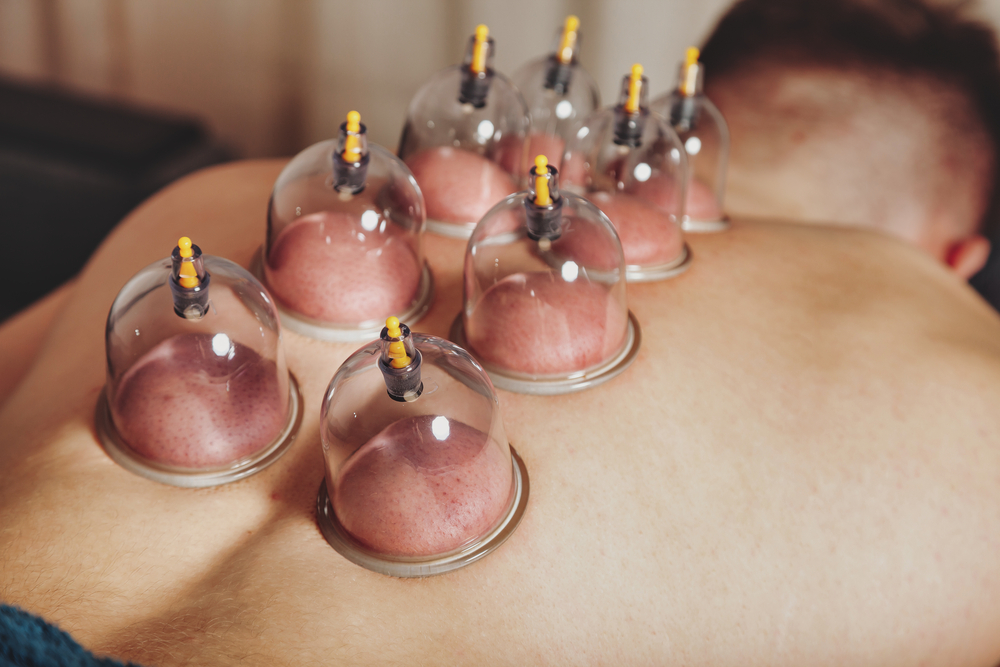
You are looking for a hijama session in Marrakech and want to know what to expect before booking: the difference between wet and dry hijama, the benefits you can realistically expect, exactly how a session unfolds, the contraindications and — the question everyone asks — the price. This guide covers the essentials, without exaggerated promises, exactly as we practise it every day at our centre in Gueliz.
To book directly, the service page is here: hijama session at Elite Physio Centre.
What is hijama?
Hijama, or cupping therapy, is a traditional practice that goes back thousands of years. Cups are applied to precise points of the body to create local suction that stimulates blood circulation in the treated area. It is offered as a complement to conventional care — it does not replace a medical diagnosis or treatment.
In Marrakech, demand is strong all year round, from residents and visitors alike. The two forms offered are dry hijama and wet hijama — the most requested at our centre.
Wet or dry hijama: what is the difference?
Dry hijama is limited to placing the cups: the suction mobilises the tissues and local circulation, with no incision at all. It is the gentlest form, often chosen for a first experience or for muscle relaxation.
Wet hijama adds, after the cups are placed, very light superficial micro-incisions on the skin, followed by a second application of the cups, which draws out a small amount of stagnant surface blood. It is the most complete traditional form — and the one most of our patients request.
If you are unsure, the discussion at the start of the session helps choose the form best suited to your situation and your medical history.
→ Our detailed comparison: wet or dry hijama, which should you choose?
What benefits can you expect?
According to traditional practice and the feedback of many patients, hijama is used to relieve muscle and joint pain (back, neck, shoulders), reduce tension, improve blood circulation and promote overall relaxation. Many patients describe a feeling of lightness after the session.
Let us be honest: scientific studies on hijama exist but remain limited to date, and effects vary from one person to another. We would rather promise you a serious setting, impeccable hygiene and genuine listening than guaranteed results that no honest practitioner can ensure.
Who is it for — and who should avoid it?
Hijama is intended for adults suffering from chronic pain (back, neck, recurring migraines), mild circulatory issues, fatigue or stress, or simply looking for general well-being.
It is, however, not recommended in cases of blood clotting disorders or anticoagulant medication, severe anaemia, pregnancy, fever, or a skin infection on the area to be treated. Always disclose your medical history and current treatments before the session; if in doubt, ask your doctor's advice.
How a session works, step by step
- Initial discussion — your needs, medical history and any treatments are reviewed; the application points are chosen with you.
- Preparation — the area is carefully disinfected. The sterile single-use equipment is opened in front of you.
- Cups are applied — the cups are placed on the selected points; the suction lasts a few minutes.
- For wet hijama — light superficial micro-incisions are made, then the cups are applied again for a few minutes.
- End of session — the area is disinfected again, a clean dressing is applied, and the aftercare advice is explained to you.
The full session generally lasts between 30 and 45 minutes. As for sensation: the suction is well tolerated, and the micro-incisions feel like light pinpricks.
Preparing well — and after the session
Before: come rested, avoid a very heavy meal just before the session, and remember to mention any treatment you are taking. After: hydrate well, avoid intense exertion for 24 hours, keep the treated areas clean and protected, and avoid applying irritating products on the first day.
How many sessions are needed?
It depends on your goal and the nature of your pain. A first session is often enough to feel relief; for long-standing pain, a cycle of 2 to 3 sessions spaced a few weeks apart is generally recommended. The pace is always adjusted with you, with no forced commitment.
Hijama prices in Marrakech
Prices vary from one centre to another depending on the type of hijama (wet or dry), the duration and the setting. At Elite Physio Centre, wet hijama is currently offered at 200 MAD instead of 250 MAD — sterile single-use equipment included, no hidden fees. Always ask for the exact price before booking, and what the session includes.
Book your hijama session
Wet hijama at 200 MAD instead of 250 MAD, in Gueliz, Marrakech. Call the centre or book on WhatsApp — fast reply.
Hygiene and safety: the points to check
Whichever centre you choose, three points are non-negotiable: sterile single-use cups and blades, opened in front of you and discarded after the session; disinfection of the skin before and after; and a practitioner who takes the time to check your medical history before starting. This is the protocol systematically applied at our centre.
Frequently asked questions
How long does a hijama session last?
A session generally lasts between 30 and 45 minutes, including assessment, disinfection, cup placement and rest time. The first session may be a little longer, as it starts with a check-up to make sure there are no contraindications.
Does hijama hurt?
Dry hijama is generally painless — you feel a light suction on the skin. Wet hijama involves small superficial incisions, which may cause slight, temporary discomfort, comparable to a small scratch. Most patients describe the session as tolerable and feel relaxed afterwards.
Do I need to prepare before a hijama session?
It is recommended to be well hydrated, avoid a heavy meal just before the session, and come with clean skin on the areas to be treated. If you take medication, bring the list with you. No complicated preparation is needed.
How much does a hijama session cost in Marrakech?
Wet hijama is currently 200 MAD instead of 250 MAD. Prices for other options depend on the type of hijama (dry or wet) and the number of cups. Contact Elite Physio Centre on +212 634 199 464 for an exact quote.
This guide is published for information purposes by Elite Physio Centre (Appt 17, 29 Rue Yougoslavie, Gueliz, Marrakech). It does not replace your doctor's advice. Last updated: 20 October 2026.
← Back to the blog