Hijama: contraindications and precautions
Published on by Elite Physio Centre · Reading time: about 6 minutes
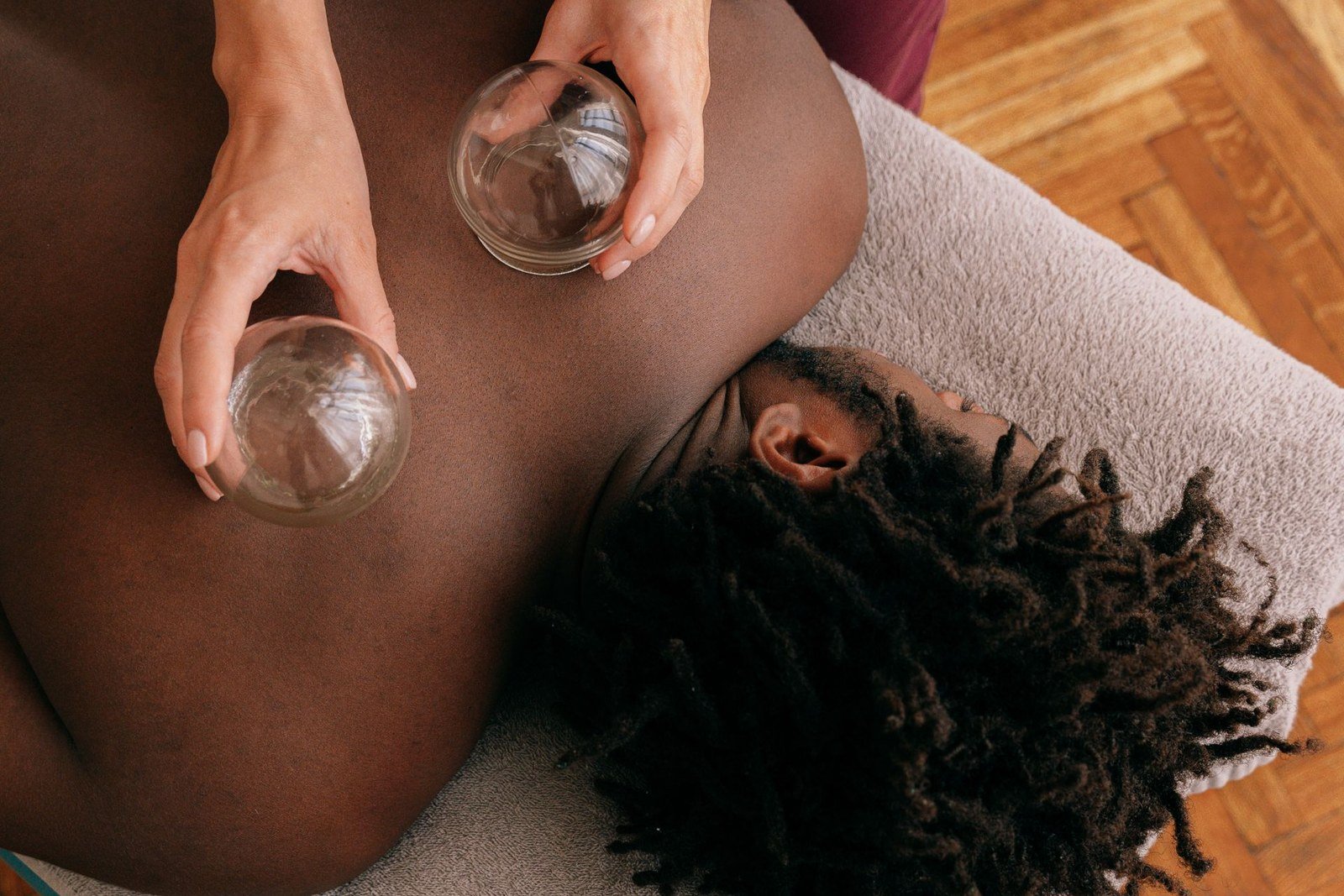
Hijama is a traditional practice widely requested in Marrakech — and like any treatment that acts on the body, it has its contraindications. A serious centre does not hide them: it displays them, checks them before every session, and refuses or postpones the session when safety requires it. Here is the full list, as we apply it at our Guéliz centre.
Our general guide: hijama in Marrakech, the complete guide.
Contraindications: who should avoid hijama
Hijama is not recommended in the following situations:
- Blood clotting disorders or anticoagulant medication — the risk of bleeding makes wet hijama unsuitable; disclose any treatment of this type.
- Severe anaemia — wet hijama draws a small amount of blood; it should be avoided in cases of significant anaemia.
- Pregnancy — as a precaution, hijama is postponed during pregnancy.
- Fever or acute illness in progress — wait for a full recovery before any session.
- Infection or skin lesion on the area to be treated — infected eczema, open wound, burn: the area must be healthy.
In all these cases, the rule is simple: no session without your doctor's advice. A practitioner who offers you a session despite an obvious contraindication is not respecting the basic rules of the practice.
Precautions: treatments, medical history and particular situations
Beyond clear-cut contraindications, several situations require a prior discussion: any current treatment (not only anticoagulants), chronic illnesses, menstruation or breastfeeding, and any recent procedure. The initial discussion then makes it possible to adapt the session, choose dry rather than wet hijama, or postpone — depending on your case.
Hijama is also for adults. For children, ask your doctor's advice; our centre offers respiratory physiotherapy for younger patients.
What the practitioner checks before every session
No session starts without an initial discussion: your needs, your medical history, your current treatments and the condition of your skin are reviewed, and the application points are chosen with you. It is also the time to ask your questions — especially if you hesitate between wet and dry hijama.
Three hygiene points are non-negotiable, whatever the centre: sterile single-use cups and blades, opened in front of you and discarded after the session; disinfection of the skin before and after; and a practitioner who takes the time to check your medical history before starting.
If a contraindication applies to you: what to do?
If one of the contraindications applies to you, do not give up on getting support: talk to your doctor, who knows your file, and contact us to discuss it — we will tell you honestly whether a session is possible, must be adapted, or must be postponed. For muscle or joint pain, physiotherapy can also be an alternative to discuss with your doctor.
A question about your situation?
Describe your situation on WhatsApp before booking: we will tell you honestly whether a session is possible. Fast reply, no obligation.
Frequently asked questions
Who should not have hijama?
Hijama is not recommended in cases of blood clotting disorders or anticoagulant medication, severe anaemia, pregnancy, fever, or a skin infection on the area to be treated. If in doubt, ask your doctor's advice before the session.
I am on medication: can I have hijama?
Always disclose your current treatments to the practitioner before the session — anticoagulants in particular. The initial discussion makes it possible to decide whether the session can take place, be adapted, or be postponed.
Is hijama suitable for children?
Hijama is for adults. For children, ask your doctor's advice; our centre also offers respiratory physiotherapy for younger patients.
What happens if a contraindication applies to me?
The session is postponed or cancelled, with no hidden fees: no session takes place without the initial discussion about your medical history. Your doctor remains the right person to decide with you.
This guide is published for information purposes by Elite Physio Centre (Appt 17, 29 Rue Yougoslavie, Guéliz, Marrakech). It does not replace your doctor's advice. Last updated: 25 October 2026.
← Back to the blog