Lower back pain: moving without making it worse
Published on by Elite Physio Centre · Reading time: about 5 minutes
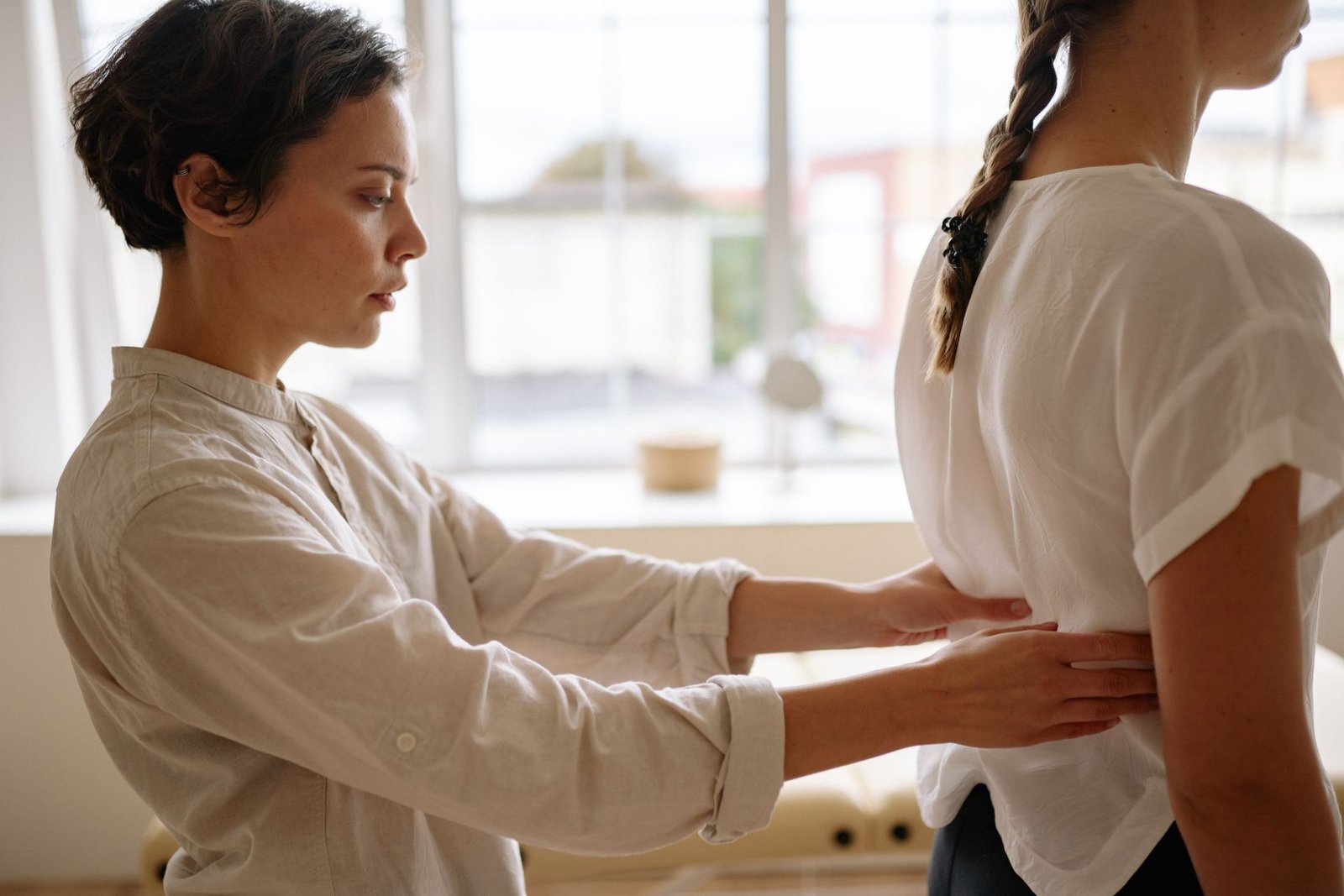
Getting up in the morning, putting on your shoes, bending down to pick something up: when the lower back hurts, the simplest gestures become difficult. The pain can arrive suddenly, after an effort or a wrong move, or settle in little by little, without you really knowing why.
In most cases, lower back pain comes from the muscles and ligaments of the lower back, with no serious cause: this is called common lower back pain. Moving helps you get better, as long as you do it at your own pace. At the Guéliz centre, in Marrakech, physiotherapy helps you regain movement and calm the pain, alongside your doctor's follow-up. Learn more about back pain.
Discover all our services.
What is lower back pain?
Lower back pain is pain in the lower back, between the last ribs and the top of the buttocks. It most often comes from the muscles and ligaments that support the spine: an unusual effort, a prolonged bad posture or a wrong move is enough to irritate them.
In most cases, there is no serious cause: the pain improves in a few days or a few weeks. When the pain runs down the leg, it is more likely sciatica — a different story, which is also treated in physiotherapy.
Why moving helps — when done well
Movement maintains the back. Moving circulates blood to the muscles and joints: a back that never moves stiffens further, a back that moves gently keeps its suppleness.
The muscles around the spine get stronger. The back muscles and the deep abdominal muscles support the spine: the stronger they are, the more they relieve the lower back in daily life.
Stiffness eases with a gradual start. The first movements in the morning are often the hardest: starting slowly, with a few steps and gentle movements, gives the back time to warm up.
Moving keeps confidence and independence. Resuming everyday gestures, even gently, helps you stop fearing movement and stay independent.
Habits that make the pain worse
Bending forward with a heavy load. Picking up something heavy while bending, with a rounded back, strains the lower back: better to bend your knees and keep the load close to the body.
Sitting too long without moving. Hours sitting, especially badly seated, tire the lower back: stand up regularly, even for a few steps.
Lifting while twisting the back. Turning the torso while carrying a load combines two efforts for the lower back: turn with your feet, not with your back.
Lying down all day. Complete rest, in bed, stiffens the back further: a few days of rest can help at first, but prolonged stillness delays recovery.
⚠ Good to know
See your doctor without delay in case of sudden pain after a major trauma, fever, loss of strength in the leg or numbness that does not go away, or difficulty urinating or holding it in: these signs call for prompt medical advice. See one too if the pain does not improve after a few weeks despite rest and advice.
How physiotherapy supports the lower back
The first visit starts with an interview that includes assessments and tests, to properly frame the treatment: which movements trigger your pain, what set it off, and how it is evolving.
The session then combines gentle mobilisation of the lower back, strengthening of the muscles that support the spine — back and deep abdominals — and advice on posture and everyday gestures.
Each physiotherapy session lasts 45 minutes. The number of sessions depends on your case and your progress, and is decided with you.
Every day: a few pointers
Prefer several short walks during the day rather than one long outing: the back recovers better between efforts. If you work sitting down, stand up and walk a few minutes every hour.
To lift something, bend your knees and keep the load close to the body. Pause when the pain rises, then resume after a few minutes of rest. And if the next day's pain is stronger than before the effort, that is a sign it was too much: go more gently next time.
A question about your back?
Assessments and sessions in Guéliz, Marrakech. Call the centre or write on WhatsApp — fast reply.
Frequently asked questions
Should I stay in bed with lower back pain?
No: lying down all day stiffens the back further. Better to move gently, at your own pace, and avoid only the gestures that really trigger the pain — above all bending with a heavy load.
How long does it take to get better?
Most lower back pain improves in a few days or a few weeks. If the pain persists beyond that, the physiotherapist reviews progress with you, and medical advice can be useful.
Can physiotherapy relieve lower back pain?
It aims to restore the lower back's mobility, strengthen the muscles that support the spine and resume everyday gestures with less pain.
When should I see a doctor?
In case of sudden pain after a major trauma, fever, loss of strength in the leg or numbness that does not go away, or difficulty urinating or holding it in: see your doctor without delay. See one too if the pain does not improve after a few weeks.
This guide is published for information purposes by Elite Physio Centre (Appt 17, 29 Rue Yougoslavie, Guéliz, Marrakech). It does not replace your doctor's advice. Last updated: 14 November 2026.
← Back to blog