Hip osteoarthritis: walking without making the pain worse
Published on by Elite Physio Centre · Reading time: about 5 minutes
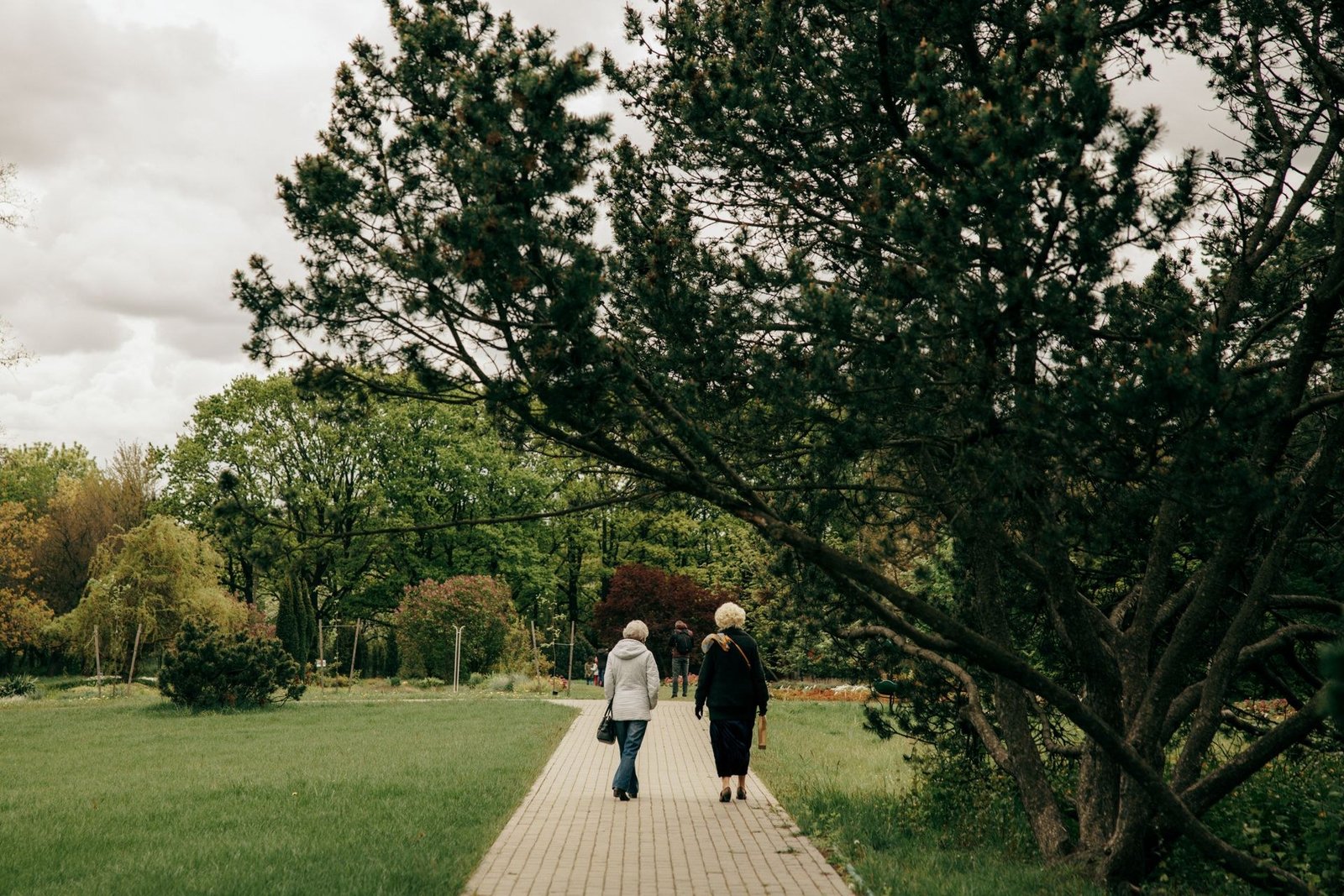
In the morning, the first steps are often the hardest: the hip is stiff, it pulls with every step, and you hesitate between moving and resting it. With hip osteoarthritis, this question comes back every day — and the answer is not to stop walking, but to learn to walk differently.
Walking remains one of the hip's best allies, as long as you do it at your own pace: not too long, not too fast, on even ground. At the Guéliz centre, in Marrakech, physiotherapy helps you regain a smoother, less painful walk, alongside your doctor's follow-up. Learn more about our rheumatological rehabilitation.
Discover all our services.
What is hip osteoarthritis?
Osteoarthritis is wear of the cartilage, the smooth cushion that covers the hip joint and lets it glide without friction. When it thins, the joint becomes less supple: the hip is stiff in the morning, painful when walking, sometimes tender at night.
It mainly affects people over 60, but not only: an old injury, physical work or a particular body shape can bring it on earlier. It is not a sentence: you can act on the hip's mobility and on the strength of the muscles around it.
Why walking helps — when done well
Movement maintains the joint. Moving circulates the fluid that nourishes the cartilage: a hip that never moves stiffens further, a hip that moves gently keeps its suppleness.
The muscles around the hip get stronger. Walking works the buttocks and thigh muscles: the stronger they are, the more they relieve the joint with every step.
Stiffness eases with a gradual start. The first steps are often the hardest: starting slowly, over a few metres, gives the hip time to warm up before finding its rhythm.
Walking keeps balance and independence. Walking regularly, even over short distances, helps you trust your steps and stay independent in daily life.
Habits that make the pain worse
Walks that are too long all at once. Doubling your usual distance in a single outing tires the joint: better to increase gradually, a few minutes at a time.
Uneven ground and slopes. Stony paths and climbs demand more from the hip: prefer flat, even ground, especially on days when the pain is present.
Shoes without support. Stable shoes with a low heel and a non-slip sole protect your walk; high heels and worn soles make it harder.
Sitting too long then setting off abruptly. After sitting for a long time, stand up gently and take a few slow steps before resuming your normal pace.
⚠ Good to know
See your doctor without delay in case of sudden pain after a fall, fever, night pain that regularly wakes you, or if the leg swells or turns red: these signs call for prompt medical advice.
How physiotherapy supports walking
The first visit starts with an interview that includes assessments and tests, to properly frame the treatment: your walk, your hip's mobility, the strength of the muscles around it and what triggers your pain.
The session then combines gentle mobilisation of the hip, strengthening of the muscles around the joint — buttocks, thighs — and work on walking and balance, with advice for home.
Each physiotherapy session lasts 45 minutes. The number of sessions depends on your case and your progress, and is decided with you.
Walking every day: a few pointers
Prefer several short walks during the day rather than one long outing: the hip recovers better between efforts. Walking poles can help spread the effort and relieve the joint.
Pause when the pain rises, then resume after a few minutes of rest. And if the next day's pain is stronger than before the walk, that is a sign the effort was too much: shorten the next outing.
A question about your hip?
Assessments and sessions in Guéliz, Marrakech. Call the centre or write on WhatsApp — fast reply.
Frequently asked questions
Does walking make hip osteoarthritis worse?
No, usually not: stopping altogether stiffens the hip further. It is excess that makes things worse — a walk that is too long, too fast or on difficult ground. Walking at your own pace, in several short outings, maintains the joint's suppleness.
How long should I walk?
Several short walks are better than one long one. Start with a few minutes, then increase gradually according to the next day's pain: if it is the same as before, you can extend a little; if it is stronger, shorten.
Can physiotherapy relieve hip osteoarthritis?
It aims to improve the hip's mobility, strengthen the muscles around it and restore a smoother walk. It does not make osteoarthritis disappear, but it helps you live with less pain and more independence.
When should I see a doctor?
In case of sudden pain after a fall, fever, night pain that regularly wakes you, or if the leg swells or turns red: see your doctor without delay. See one too if the pain keeps increasing despite rest and advice.
This guide is published for information purposes by Elite Physio Centre (Appt 17, 29 Rue Yougoslavie, Guéliz, Marrakech). It does not replace your doctor's advice. Last updated: 6 November 2026.
← Back to blog